 Our use of cookies

 British Industrial Competitiveness Scheme: What manufacturers need to know
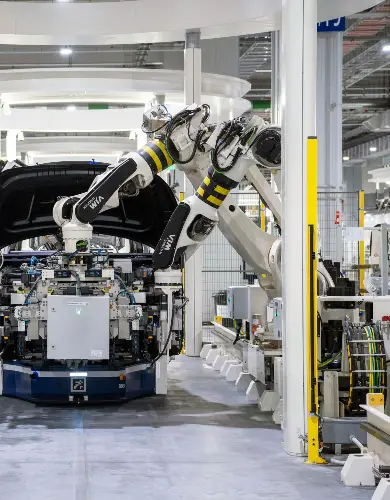
 From April 2027, over 10,000 manufacturers will see their electricity bills cut under a new government scheme designed to tackle one of the biggest hurdles to British industrial competitiveness. This guide covers what the British Industrial Competitiveness Scheme (BICS) means for manufacturers, who qualify and how much eligible businesses could save. Contents What is the…
read more TEM Energy: Innovative new model for business energy explained
 TEM Energy is making waves in the business energy market with claims of savings of up to 30% by bypassing the wholesale market entirely. Business owners are understandably curious and sceptical about how a new entrant can deliver prices that incumbents can’t match. This guide breaks down how TEM’s transaction engine and RED tariff work…
read more What P442 and Licence Exempt Supply rules mean for business energy
 Businesses receiving power directly from small-scale electricity generators have long benefited from Licence Exempt Supply rules, which allow power to be supplied without paying the environmental levies that add around 5p/kWh to the cost of electricity in most energy tariffs. The P442 modification enables businesses using power from the grid to also benefit from a…
read more Electricity interconnectors: How the British grid imports electricity
 Great Britain has some of the highest electricity generation costs in Europe. Undersea electricity interconnectors offer a solution by allowing the national grid to import cheaper French nuclear energy and Norwegian hydroelectricity. In 2024, the UK imported a record 43.7 TWh of electricity from neighbouring countries through international interconnectors, meeting 14% of overall demand for…
read more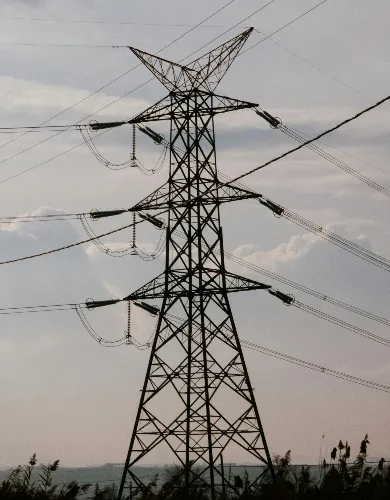 Network Charging Compensation Scheme: What it covers and how it works
 British businesses pay the highest electricity costs in the developed world, and network charges are a major reason why. These charges fund the operation and expansion of the British electricity grid, and they have risen significantly in recent years to support the shift from fossil fuels to renewables. The Network Charging Compensation Scheme refunds up…
read more British Industry Supercharger: What it means for Energy Intensive Industries
 If your business is one of the most electricity-intensive manufacturers, the British Industry Supercharger scheme could reduce your electricity bills by up to 8 pence per kWh. This guide explains the cost savings available to Energy Intensive Industries (EIIs), as well as how the scheme increases costs for all other domestic and non-EII businesses. Here’s…
read more